
Lesson type
Difficulty level

This lecture contains an overview of the China-Cuba-Canada neuroinformatics ecosystem for Quantitative Tomographic EEG Analysis (qEEGt).
Difficulty level: Beginner
Duration: 12:56
Speaker: : Pedro Valdes-Sosa

This lecture covers the ethical implications of the use of brain-computer interfaces, brain-machine interfaces, and deep brain stimulation to enhance brain functions and was part of the Neuro Day Workshop held by the NeuroSchool of Aix Marseille University.
Difficulty level: Beginner
Duration: 1:02:00
Speaker: : Jens Clausen

Course:
This module covers many types of invasive neurotechnology devices/interfaces for the central and peripheral nervous systems. Invasive neurotech devices are crucial, as they often provide the greatest accuracy and long-term use applicability.
Difficulty level: Beginner
Duration: 9:40
Speaker: : Colin Fausnaught
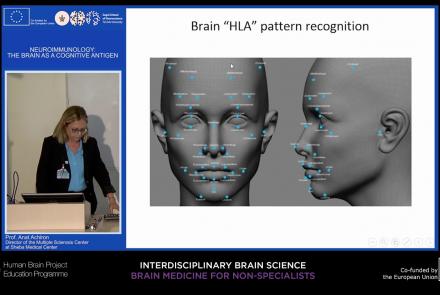
This lecture focuses on how the immune system can target and attack the nervous system to produce autoimmune responses that may result in diseases such as multiple sclerosis, neuromyelitis, and lupus cerebritis manifested by motor, sensory, and cognitive impairments. Despite the fact that the brain is an immune-privileged site, autoreactive lymphocytes producing proinflammatory cytokines can cause active brain inflammation, leading to myelin and axonal loss.
Difficulty level: Beginner
Duration: 37:36
Speaker: : Anat Achiron